


-

Add: HeBei ShengShi HongBang Cellulose Technology CO.,LTD.
-

Email
13180486930@163.com -

CONTACT US
+86 13180486930

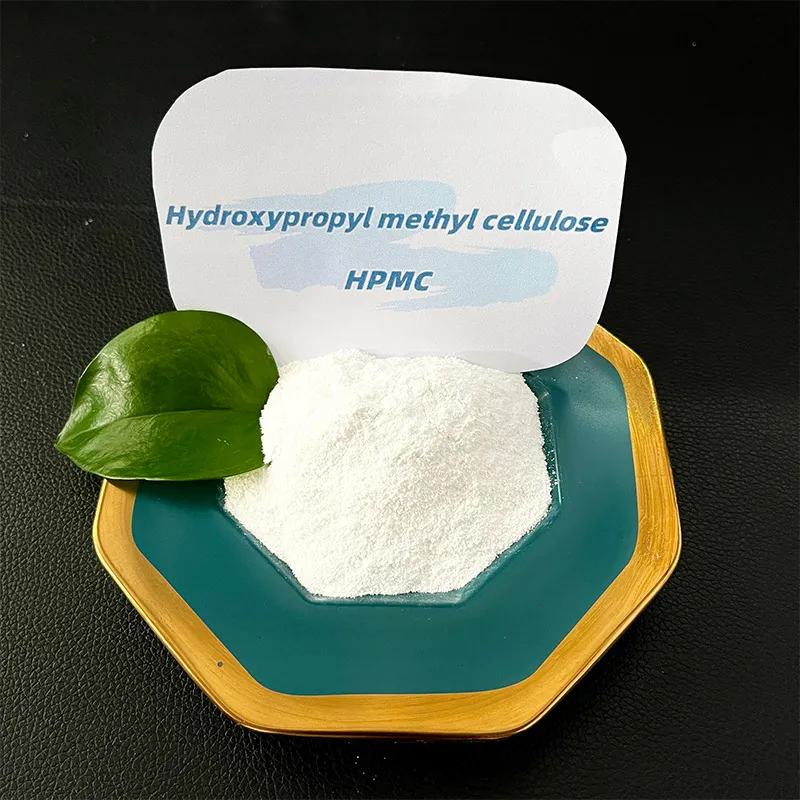



In the realm of pharmaceuticals and food industries, Hydroxypropyl Methylcellulose (HPMC) solution has emerged as a game-changer, known for its versatility and efficiency. As an expert with years of experience in product optimization, I can attest to the immense benefits this solution offers across various applications, maintaining a fine balance between performance and safety. Hydroxypropyl Methylcellulose is a water-soluble polymer widely used for its thickening, stabilizing, and film-forming properties. Derived from cellulose, it is extensively employed in the formulation of oral drug delivery systems. The unique properties of HPMC solutions make them indispensable for controlling the release rate of drugs, ensuring consistent therapeutic outcomes. Its ability to form a gel barrier when in contact with aqueous solutions is crucial for extended-release formulations, thereby enhancing patient compliance and efficacy. Furthermore, HPMC solutions are pivotal in the production of capsule shells . Their non-toxic nature and flexibility allow for the creation of capsules that are not only stable but also suitable for vegetarian and vegan users. The solution’s adaptability in different formulation environments underscores its authority in the pharmaceutical industry, being the go-to material for achieving optimal dissolution profiles and bioavailability. In the food industry, HPMC shines as a stabilizer and emulsifier. Its role in gluten-free products is particularly noteworthy. By improving the texture and mouthfeel of gluten-free baked goods, HPMC solutions bridge the gap between dietary restrictions and culinary satisfaction. Products maintain moisture and resist staling, ensuring consumers receive a product that meets both taste and quality expectations. When it comes to pre-mixed batters, its stabilization properties prevent separation, ensuring a uniform product that chefs and home cooks alike can trust. hpmc solution What sets HPMC apart from other compounds is its comprehensive safety profile. Regulatory bodies worldwide, including the FDA and EFSA, recognize its safety in various applications, which bolsters its credibility and consumer trust. The consistent quality control and rigorous testing it undergoes further cement its reliability and authoritative position in the market. For product developers and formulators, understanding the versatility of HPMC solutions is essential. Its application is not merely limited to its inherent properties but extends to innovative uses that continue to evolve. Being informed of the latest research and developments surrounding HPMC allows companies to harness its full potential, creating superior products that stand out in highly competitive markets. The market perception of HPMC as a solution is not just about its functional attributes, but also its alignment with global trends towards sustainability and plant-based alternatives. Its cellulose-derived nature ensures it is both biodegradable and renewable, resonating with eco-conscious consumers and industries striving for sustainable practices. Ultimately, the decision to incorporate HPMC solutions into product lines reflects a commitment to quality, efficiency, and innovation. Its proven track record across multiple industries is a testament to its invaluable role in enhancing product functionality and safety. Embracing HPMC means tapping into a legacy of trusted performance and looking towards a future of endless possibilities in product development.
- 40000tons

Production
- 20+years

Experience
- 5000+㎡

Acreage

-
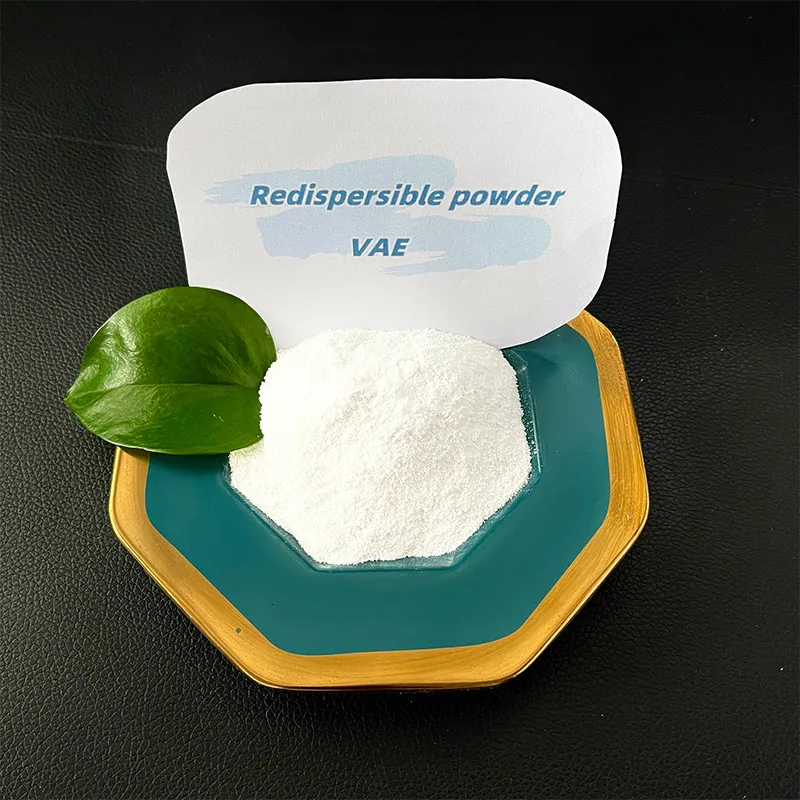
Hydroxypropyl Methylcellulose (HPMC) E5 is a versatile and essential ingredient in various industries, prized for its unique properties that enhance product formulation. As a low viscosity grade of HPMC, E5 offers a distinct set of characteristics highly valued by manufacturers. This article delves into the crucial attributes of HPMC E5, leveraging insights from industry experts and real-world applications to offer a comprehensive understanding of its benefits and usage. One of the standout features of HPMC E5 is its film-forming ability. This property is integral in the pharmaceutical industry, where HPMC E5 is commonly used as a coating agent for tablets. Its ability to form a uniform, adherent, and stable film ensures the protection of active ingredients, enhances shelf life, and improves the aesthetic appeal of tablets. The expertise of formulation scientists highlights that the use of HPMC E5 in coatings improves the swallowability and taste masking of oral dosage forms, making it a preferred choice among pharmaceutical developers. In the realm of construction, HPMC E5 serves as an essential additive in cement-based materials. Its water retention capability prevents premature drying and assures optimal curing, leading to increased strength and durability of the final product. Construction professionals underline that the inclusion of HPMC E5 in mortar formulations results in enhanced workability and open time. This facilitates easier application and adjustment of tiles or other construction components, minimizing waste and improving finish quality. The adhesive industry also benefits from the unique properties of HPMC E5 . The compound's thickening and rheology modification abilities enable the production of adhesives with superior stability and consistency. As experts in adhesive chemistry attest, HPMC E5 improves the bonding capacity and mechanical strength of adhesives, providing reliable performance across different substrates and environmental conditions. This versatility makes it an indispensable ingredient in formulating both household and industrial adhesives. hpmc e5 properties Personal care products, such as shampoos and creams, often incorporate HPMC E5 due to its excellent emulsification and stabilization properties. Cosmetologists and personal care formulators value HPMC E5 for its ability to maintain the integrity and homogeneity of creams and lotions. Its non-ionic nature ensures compatibility with various active ingredients, allowing for innovative formulations that cater to diverse consumer needs. Furthermore, HPMC E5’s gentle nature and lack of irritancy make it suitable for sensitive skin products, thus broadening its applicability in the cosmetics industry. From an expert perspective, the adaptability of HPMC E5 across different formulations and industries underscores its significance. Its non-ionic and cellulose-based nature ensures environmental compatibility and safe usage, aligning with the growing consumer demand for sustainable and eco-friendly products. Manufacturers leveraging HPMC E5 can assure their clientele of high-quality, reliable, and effective products, bolstering trust and authority in their respective markets. Trustworthiness in utilizing HPMC E5 is reinforced by thorough testing and compliance with regulatory standards, which are critical for product safety and efficacy. Collaboration with experienced formulation scientists and adherence to stringent quality control measures guarantees that products incorporating HPMC E5 deliver consistent and dependable performance. In conclusion, HPMC E5 stands out due to its unique properties that serve a wide array of applications, ranging from pharmaceuticals and construction to adhesives and personal care products. Its esteemed position is further corroborated by industry expertise and practical experience, which collectively affirm its role as a high-value ingredient. By integrating HPMC E5, manufacturers not only optimize product performance but also ensure an authoritative and trusted presence in their sectors.
-
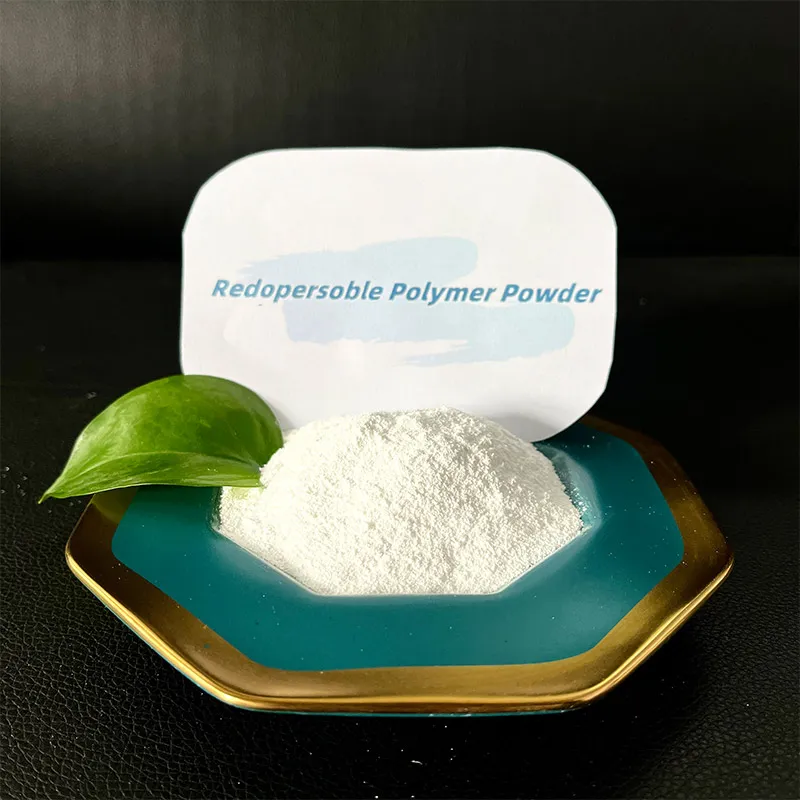
The detergent industry is experiencing a subtle yet significant revolution, and at the forefront of this transformation is Hydroxypropyl Methylcellulose, commonly known as HPMC. As a seasoned expert in the field of SEO, I've closely observed how incorporating HPMC can not only enhance the quality of detergents but also position a brand as a leader in innovation and environmental friendliness. The addition of HPMC in detergents brings a unique set of benefits that appeal to both manufacturers and consumers. For manufacturers, it offers an innovative solution that improves the viscosity and stability of detergents. HPMC serves as an excellent thickening agent, providing a consistent texture that consumers have come to expect from premium detergent brands . This consistency is crucial in maintaining the effectiveness of the detergent, ensuring that every drop delivers maximum cleaning power. Moreover, HPMC is derived from cellulose, making it a naturally occurring substance that aligns with the growing consumer demand for eco-friendly products. As an expert in sustainability, I recognize the importance of adopting green chemistry in manufacturing processes. HPMC in detergents reduces the reliance on synthetic chemicals, offering an environmentally benign alternative without compromising on quality. This not only enhances a brand's reputation for environmental responsibility but can also open doors to new markets eager for sustainable household products. From an expertise perspective, the role of HPMC extends beyond just physical attributes. It also improves the shelf life of detergents by stabilizing the formulation, preventing ingredients from separating over time. This results in less waste and more satisfied consumers, as the product maintains its integrity from purchase to last use. The stabilizing property of HPMC ensures that active ingredients remain effective throughout the product's life, a critical aspect that sets high-quality detergents apart from their less stable counterparts. hpmc for detergent In terms of authoritativeness, extensive research supports the efficacy of HPMC in detergent formulations. Numerous studies have demonstrated its superiority as a thickening and stabilizing agent, often outperforming traditional counterparts. This research-backed validity enhances credibility and supports claims made by brands utilizing HPMC, fostering consumer trust. For products seeking regulatory approval or certifications, the proven track record of HPMC in detergents stands as a testament to its safety and effectiveness. Trustworthiness is the cornerstone of any brand's relationship with its customers. By leveraging HPMC, manufacturers can transparently showcase their commitment to quality and sustainability. HPMC is hypoallergenic and safe for human contact, making it particularly appealing for families with skin sensitivities. The endorsement of dermatological experts and eco-certification bodies can further reinforce the trust consumers place in detergents containing HPMC. Ultimately, for brands focusing on SEO, it's crucial to highlight these multifaceted benefits of HPMC in detergent-related content. Emphasizing its role in enhancing viscosity, environmental sustainability, product stability, and consumer health can significantly improve online visibility and engagement. Crafting content around real-world applications and consumer reviews can provide genuine insights and drive home the advantages of HPMC in modern detergents, securing a pivotal role in a brand's digital narrative. Incorporating HPMC into detergent formulations presents a dual opportunity advancing product quality while meeting the rising demand for eco-conscious and effective cleaning solutions. As the industry continues to evolve, HPMC remains at the forefront, not just as an additive, but as a catalyst for a cleaner, greener future.
advantages
-

200000 Viscosities
Excellent product
We can produce pure products up to 200,000 viscosities
-

40000 tons
High yield
We don’t stop production all year round, and the annual output can reach 40,000 tons
-

24 hours
Quality service
We provide 24-hours online reception service, welcome to consult at any time
———— Inquiry Form
Schedule A services
-
 hpmc_6_cps
Oct . 25, 2025
Pentastarch is a frequently utilized colloidal solution that has sparked interest among medical prof -
 hidroxipropilmetilcelulosa_en_cosmetica
Oct . 25, 2025
Hydroxypropyl Methylcellulose (HPMC) stands as an innovative polymer solution , lauded for its multi -
 hydroxyethyl_starch_hes
Oct . 25, 2025
Hydroxypropyl methylcellulose (HPMC) is a versatile and reliable polymer commonly adopted in various


